

Waxing does not have an expiration date. As you move through your 40s and 50s, changes in skin texture, moisture, and hair growth may mean your appointment deserves a little more attention, not that you need to give it up. A thoughtful consultation and an esthetician who adjusts the service to your skin can make the experience comfortable and predictable.
Waxing in your 40s and 50s can be safe and comfortable when your esthetician considers changes such as drier or more delicate skin, checks for sensitivities, and recommends suitable technique and aftercare. You can still enjoy smooth results, whether you are maintaining a regular routine or booking for the first time in years.
The best approach is practical: understand what may be changing, prepare your skin carefully, and tell your esthetician about products, medications, or sensitivities before the service begins. Start with how age-related changes can affect skin and hair, then use that information to plan a more comfortable appointment.
What Happens to Skin and Hair in Your 40s and 50s
Waxing in your 40s and 50s can still be comfortable and effective, but your skin may need a more thoughtful approach. During perimenopause and menopause, hormonal changes can affect skin moisture, elasticity, and recovery. Hair growth patterns may also feel less predictable from one area to another. These changes are normal, and they do not mean you have to give up a grooming routine that helps you feel confident.
Why skin may feel thinner or drier
Estrogen levels change during the transition to menopause. According to Northwestern Medicine, lower estrogen can reduce sebum production, affect the skin barrier, and slow wound healing. Menopause is also associated with declines in collagen and elastin, which can contribute to skin that feels thinner, drier, or less resilient.
Perimenopause can be the first time you notice these differences. Skin may feel less bouncy or comfortable after cleansing, and some people experience dryness alongside occasional breakouts. Your experience may not match someone else’s, because menopause-related skin changes vary from person to person.
What this means for waxing
When skin is drier or more delicate, preparation and aftercare matter more. Tell your esthetician about unusual sensitivity, recent irritation, or products that make your skin more reactive. A professional can assess the area before beginning and help you choose an approach that respects your skin’s current condition.
Hair itself may also change gradually. Hormonal shifts can influence where hair appears, how quickly it grows, or how its texture feels. That does not make your routine impossible; it simply means your appointments may need to be adjusted around your actual regrowth rather than an old schedule.
After your appointment, gentle care supports the skin barrier. Avoid unnecessary friction, follow the salon’s recommendations, and keep the area comfortably moisturized when appropriate. Our waxing aftercare guide offers practical reminders for caring for freshly waxed skin as your needs change.
Key takeaway: Age-related dryness, reduced elasticity, and slower healing can call for gentler planning, not an end to waxing. Share changes with your esthetician, follow personalized aftercare, and let your skin’s comfort guide the pace.
Is Waxing Safe as Your Skin Gets Older
Yes, waxing can remain safe and comfortable as your skin gets older. There is no universal age limit for waxing, and many women continue waxing well into their 60s and 70s. The important factor is not your age alone. It is the condition of your skin, the service you choose, and whether your esthetician adjusts the appointment to your needs.
It is normal to wonder, “Am I too old to wax?” You are not too old simply because you are in your 40s, 50s, or beyond. Skin can become thinner, drier, or more sensitive over time, so an experienced professional should avoid treating every client exactly the same way. A thoughtful consultation helps identify areas that need extra care before the service begins.
How your esthetician protects mature or sensitive skin
During your appointment, tell your esthetician about any changes in sensitivity, dryness, medications, or products that may affect your skin. This information helps guide the service. For thinner or drier skin, your esthetician can adapt the wax temperature, application and removal technique, and aftercare recommendations. Those adjustments are designed to support comfort and reduce unnecessary stress on the skin.
Good technique also means working deliberately rather than rushing. Your esthetician may pay closer attention to how the skin is supported, how much product is applied, and how the area responds between pulls. If something feels unusually uncomfortable, speak up. Clear communication gives your provider the chance to pause, reassess, or recommend a more suitable approach.
Choose the service that fits your current needs
Waxing in your 40s and 50s does not have to look one particular way. You can maintain a familiar routine, try a smaller service, or focus on the areas that make you feel most confident. Reviewing the Waxing Services available at Brazil’s Waxing Center can help you choose a service that fits your comfort level and goals.
Before booking, consider whether your skin is calm and intact. Active irritation, an unexplained rash, sunburn, or an open area deserves attention before waxing. When in doubt, describe the concern to your esthetician so you can make an informed decision together.
The takeaway: You are not too old to wax. With honest communication, appropriate service selection, and adjustments for thinner or drier skin, waxing can remain a practical part of your self-care routine at any age.
Brazil’s Waxing Center vs. National Chain Waxing for Mature Skin
For waxing in your 40s and 50s, the quality of the consultation and technique matters as much as the service itself. Skin may become drier or less elastic during perimenopause and menopause, and lower estrogen can affect the skin barrier and healing time. Those changes are individual, so a professional should assess how your skin looks and feels rather than treat every appointment exactly the same. Northwestern Medicine explains these menopause-related skin changes, which is helpful context when discussing your comfort with an esthetician.
| Consideration | Brazil’s Waxing Center | National chain waxing |
|---|---|---|
| Esthetician expertise | A local professional can discuss your skin sensitivity, past reactions, and comfort before beginning. | Experience can vary by location and by the esthetician scheduled for your visit. |
| Wax and technique | The appointment can be adjusted with gentler handling, careful tension, and attention to areas that feel especially delicate. | A standardized process may be the starting point, although individual locations may adapt it. |
| Aftercare guidance | You can ask for practical guidance based on how your skin responds, including when to moisturize or resume exfoliation. | Advice may be general, depending on the location and the time available for consultation. |
| Consistency | Booking at a convenient local location can help you build familiarity with a professional and your preferred routine. | Staffing and appointment availability may make it less predictable to see the same professional each time. |
| Local convenience | Multiple Brazil’s Waxing Center locations make it easier to choose a nearby salon that fits your schedule. | Availability depends on which chain locations operate near you and their appointment schedules. |
The goal is not to assume that one business model works for every person. It is to choose a salon where you can describe changes in sensitivity, ask questions, and receive a careful response. If you are returning to waxing after a long break, mention any recent irritation or products that have made your skin more reactive. For ongoing appointments, read about the consistent waxing benefits and keep your routine comfortable rather than chasing a rigid schedule.
How to Prep for a Comfortable Wax in Your 40s and 50s
For waxing in your 40s and 50s, thoughtful preparation helps protect comfort and the skin barrier. Skin may become drier or more sensitive during perimenopause and menopause, so give your esthetician useful context about recent irritation, medications, or products. These simple steps can help your appointment go more smoothly without turning preparation into a complicated routine.
- Hydrate your skin in the days before. Apply a gentle, fragrance-free moisturizer regularly to support dry skin. Do not apply lotion, oil, or body butter immediately before your appointment, because residue can interfere with the wax adhering cleanly. If the area is cracked, sunburned, rashy, or unusually irritated, contact the salon before waxing.
- Pause harsh actives and retinol a few days ahead. Retinoids, exfoliating acids, scrubs, and other strong active products can make skin more reactive. Stop them several days before waxing, following your prescribing clinician’s directions if a medication is involved. Share your current skincare routine with your esthetician rather than guessing about whether a product matters.
- Allow enough hair growth. Let hair grow for about two to four weeks, depending on your normal growth pattern and the service. Hair that is too short may not be removed effectively, while trimming or shaving right before the appointment can make the result uneven. Your esthetician can assess the length and recommend the next timing.
- Ask about gentler wax and technique. Thinner or drier skin benefits from a professional approach that considers wax temperature, formula, skin tension, and removal technique. The esthetician may choose a gentler formulation and adjust the service rather than treating every area exactly the same. Mature skin can be accommodated safely when technique and aftercare are adapted appropriately.
- Plan hydrating aftercare. Follow your esthetician’s instructions after the service, keep the area clean, and return to gentle moisturizing when advised. Avoid rushing back to exfoliation or fragranced products. Consistent appointments may also support finer regrowth and a more comfortable experience for many clients over time, although results vary. Read more about the waxing dos and don’ts and consistent waxing benefits before your next visit.
Preparation is not about meeting a strict age-specific standard. It is about arriving with calm, supported skin and enough information for your esthetician to personalize the service. If your skin reacts differently than usual, mention it before waxing so the plan can be adjusted for comfort.
What to Expect at Your Appointment for Mature Skin
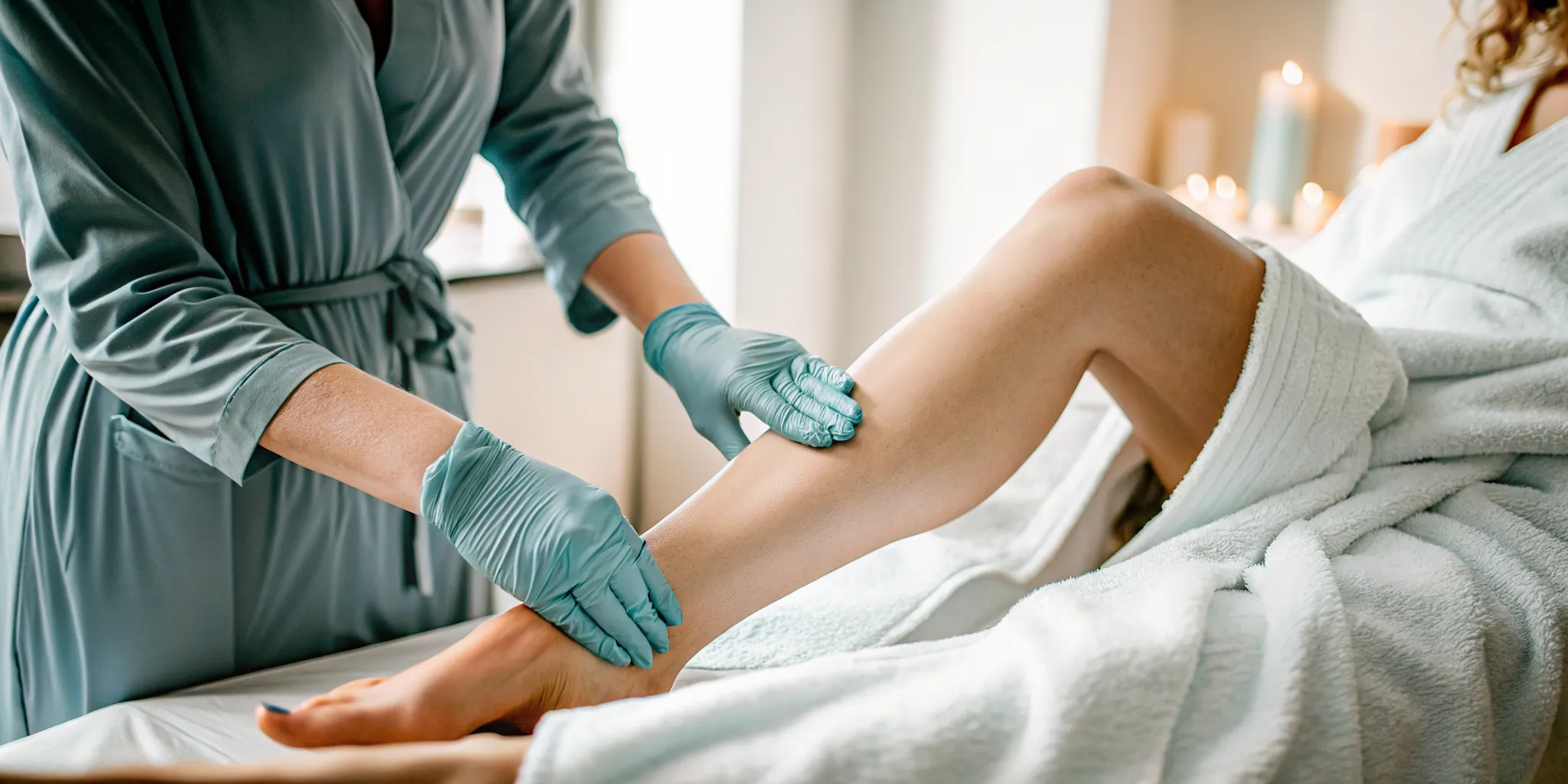
At an appointment for waxing in your 40s and 50s, your esthetician should consider your current skin condition, hair growth, comfort level, and recent skincare routine. A thoughtful consultation helps the service feel personal rather than rushed. It also gives you a chance to mention dryness, sensitivity, medications, retinol use, or any area that feels more delicate than usual.
A consultation that accounts for changing skin
Your esthetician will assess the skin and hair in the area being waxed before choosing an approach. Mature skin can be drier or less resilient than it was in earlier years, while hormonal changes may alter hair density, texture, or growth patterns. The goal is not to treat every client the same. Your esthetician may adjust the wax temperature, application, removal technique, or the size of each section to support comfort and protect the skin.
Be open about what you have used on your skin recently. Strong exfoliants, retinoids, sun exposure, or irritation can affect whether waxing is appropriate that day. If an area needs more time, your esthetician can recommend a safer plan instead of pushing through discomfort.
Finding a schedule that works for your growth cycle
Many clients return about every 3 to 5 weeks, but your ideal schedule depends on how quickly your hair grows and how your skin responds. Keeping appointments reasonably consistent can help you avoid waiting until the hair is especially long or the skin is more sensitive. With consistent waxing, regrowth may become finer over time, and some clients find the service becomes more comfortable. You can review the available full body waxing services if you are considering a broader routine.
Comfort-focused service and hydrating aftercare
During the service, communicate clearly if the temperature, pressure, or pace does not feel right. A professional esthetician can make adjustments throughout the appointment. Afterward, follow the recommended aftercare and keep the skin gently hydrated. Avoid unnecessary friction and use the products your esthetician recommends for your skin. When you are ready to plan your next visit, explore the Waxing Services hub to find the right service and your nearest Brazil’s Waxing Center location.
Frequently Asked Questions About Waxing After 40
Waxing in your 40s and 50s often raises practical questions about skin changes and what is still appropriate. Here are the answers clients ask most often.
Can you wax older skin? Yes. Older skin can be waxed safely when the esthetician adapts the wax temperature, technique, and aftercare. Because skin can become thinner, drier, and less elastic with age, a professional will use gentler handling and support the skin barrier after the service.
Am I too old to get a Brazilian wax? No. There is no age limit for waxing, and many women continue comfortably into their 50s, 60s, and beyond. The esthetician simply adjusts the appointment to your current skin and hair so the service stays comfortable.
Does waxing get easier as you get older? Many clients find that consistent waxing leads to finer regrowth and a more comfortable experience over time. Skin and hair changes in your 40s and 50s can shift how the service feels, so your esthetician may adjust the frequency and products to match.
Is Brazilian waxing safe after menopause? Yes. After menopause, skin is often drier and thinner and hair can be sparser or coarser. A professional esthetician adapts the wax and technique, and hydrating aftercare is especially important for supporting the skin barrier.
What is the difference between a bikini and a Brazilian wax? A bikini wax tidies the edges so hair stays hidden in a swimsuit. A Brazilian wax removes more hair from the front, back, and between, and can leave a shape of your choice. Your esthetician can help you choose what feels right for you.
Book a Wax with a Professional Who Understands Mature Skin
Waxing does not have to stop as you age, and it does not have to be complicated. When you visit Brazil’s Waxing Center, a professional esthetician will listen to your concerns, assess your skin, and tailor the service and aftercare to your comfort.
Find a Brazil’s Waxing Center near you and book your appointment.