

Ingrown hair after waxing can turn a smooth result into worry when small bumps appear. The right post-wax steps help keep regrowth clear, comfortable, and easier to manage.
Ready for smoother waxing with practical aftercare guidance? Book an appointment with Brazil’s Waxing Center before your next service.
Ingrown hair after waxing occurs when new growth curves back into the skin or becomes trapped beneath the surface after hair removal.
It may look like an itchy, tender, or darker bump, especially as hair starts growing back after a Brazilian or body wax.
For prevention, keep freshly waxed skin calm, choose loose clothing, avoid fragranced products at first, and begin gentle exfoliation only after skin has settled.
If a bump appears, do not pick or squeeze it; a warm compress and careful skin care can reduce further irritation.
The Mayo Clinic advises medical care if the problem does not clear, keeps happening, or becomes a regular source of discomfort.
To know what your skin needs next, start by separating expected short-term sensitivity from a bump that may need closer attention.
In Ingrown hair after waxing: what is normal and what is not, we make that first check simple.
Here’s how.
Ingrown hair after waxing: what is normal and what is not
An ingrown hair after waxing can be worrying, especially when newly smooth skin shows redness or small bumps.
Brazil’s Waxing Center helps clients separate normal sensitivity from signs that need more careful aftercare.
The key is to tell a short-lived skin response from a hair growing back into the skin.
That difference helps you watch the area with care, without assuming every mark is a problem.
What an ingrown hair looks like
An ingrown hair is a strand that grows back into the skin after hair removal, including waxing.
The Cleveland Clinic definition of an ingrown hair gives a clear starting point: it involves the growing hair, not redness alone.
Signs can include a small raised bump, itching, burning, or skin that looks darker around the spot.
A bump may also look blister-like or contain pus, according to the Mayo Clinic guide to ingrown hair symptoms.
These signs suggest more than a mild, even flush across a freshly waxed area.
- Redness soon after a wax can be part of the skin’s early response.
- A focused bump with itch, sting, or a visible trapped hair fits an ingrown hair more closely.
- Darkening near repeat bumps may follow ongoing irritation or picking.
Timing after a wax
A same-day red look does not, by itself, confirm an ingrown hair.
After the first skin response settles, watch for a bump that develops where hair begins to grow again.
Keep the area calm, and follow simple aftercare tips to prevent ingrown hairs during the recovery window.
Do not squeeze, scratch, or dig at a bump to find a hair.
This can irritate skin and make the area harder to assess.
If bumps do not clear, or the issue happens often, a health care professional can advise on next steps.
Calm expectations for healing skin
One spot does not mean your wax went wrong.
Curved hair can be more likely to turn back into the skin as it grows.
For many clients, the practical next step is to watch the area.
Note whether early redness fades, or whether a sore or itchy bump appears later.
Pay closer attention to pain that grows worse, pus, spreading redness, or bumps that keep returning.
Those signs should not be brushed off as routine post-wax skin change.
A licensed waxing specialist can answer aftercare questions, while a medical professional can check skin that is not settling.
Why ingrown hairs happen after a wax
Ingrown hairs happen after waxing when regrowth curls inward, dead skin blocks the follicle opening, or friction rubs freshly waxed skin.
Brazil’s Waxing Center helps clients think about all three factors so aftercare feels practical instead of confusing.
How a hair becomes ingrown
An ingrown hair after waxing starts with regrowth, not with something you did wrong.
Wax removes the hair from the root.
As a new hair comes through, it may turn sideways or curl back under the skin instead of reaching the surface.
Hair texture and growth pattern can raise this chance.
The Mayo Clinic’s ingrown hair guidance explains that curved follicles can make hair grow back into the skin.
This pattern is more common with tightly curled hair.
Two clients can follow the same care plan and still have different results.
What can block fresh regrowth
New growth needs a clear path through the skin.
When dead skin stays over a follicle opening, a fine new hair may become trapped below the surface.
The result can be a tender bump, itch, or dark spot instead of a visible hair.
Friction and sweat can add stress during the post-wax window.
Snug underwear, tight workout clothes, and heavy activity can rub freshly waxed skin or leave it damp.
A workout does not always cause a bump.
It can make the area harder to keep calm while hair starts to regrow.
- Curled or angled regrowth may turn toward the skin.
- Dead skin can cover the opening a new hair needs.
- Friction from tight clothes can rub a sensitive waxed area.
- Sweat and heat can make newly waxed skin feel more irritated.
Why picking can make a bump worse
A bump can make it tempting to squeeze, scrape, or pull at the skin.
Picking can injure the area and may make a mild problem harder to settle.
The Mayo Clinic treatment overview notes that scratching can lead to mild infections that need treatment.
Ingrowns after a wax are not a sign that waxing has failed.
They are often tied to hair direction, skin buildup, and pressure during regrowth.
With regular waxing, hair may grow back finer over time.
Between visits, use simple aftercare habits to help fresh skin stay calm and clear.
What should you do in the first 48 hours after waxing?
An ingrown hair can form after waxing when a strand grows back into the skin.
For the first 48 hours, keep the waxed area clean, cool, and free from rubbing.
This simple routine may lower irritation while your skin settles.
Ready to plan your next visit? Book an appointment with Brazil’s Waxing Center for professional waxing and clear aftercare guidance.
First-day comfort
The skin may feel tender right after a wax.
Skip products with perfume, body sprays, and scented lotions on the area.
Pick loose, soft clothing so seams and tight waistbands do not rub against sensitive skin.
- Wear loose clothing for the rest of the day. Breathable underwear and relaxed pants help keep friction low.
- Cleanse gently with lukewarm water and a mild, fragrance-free wash. Pat dry with a clean towel instead of rubbing.
- Avoid hard workouts, hot yoga, and long sweaty activities during the first day. If you sweat, rinse gently and change into dry clothing.
- Keep hands off bumps and tender spots. Do not pick, squeeze, or try to free a hair with tweezers.
- Wait before adding scrubs or strong skin products. Simple care gives freshly waxed skin time to settle.
Care through the second day
Keep your routine plain through the next day.
Continue with loose clothes and fragrance-free cleansing if your skin still feels tender.
These habits support a calm recovery when you want to avoid an ingrown hair after waxing.
Once the first 48 hours have passed, check that the skin feels calm. Gentle exfoliation may then fit your routine. For more detail, review Brazil’s Waxing Center’s Brazilian wax aftercare guide before you start.
If you notice a bump
A small bump can be tempting to touch, especially in a bikini or Brazilian wax area.
Leave it alone during the first two days.
Avoid covering it with scented or heavy products.
Picking can make tender skin feel worse.
Focus on clean skin, dry clothing, and low friction instead. If a bump becomes painful, looks infected, or does not improve, contact a health care professional for advice.
How to prevent ingrown hairs between waxing appointments
A steady routine can lower the chance of ingrown hair after waxing and keep skin calm between visits.
Think in stages: let fresh skin rest, add gentle care, then keep your next wax on schedule.
Small habits are easier to follow than a harsh fix used only when a bump appears.
Brazil’s Waxing Center guides clients on aftercare for their skin, hair growth, and waxed area. For service planning, start with our waxing services and choose the area that matches your routine.
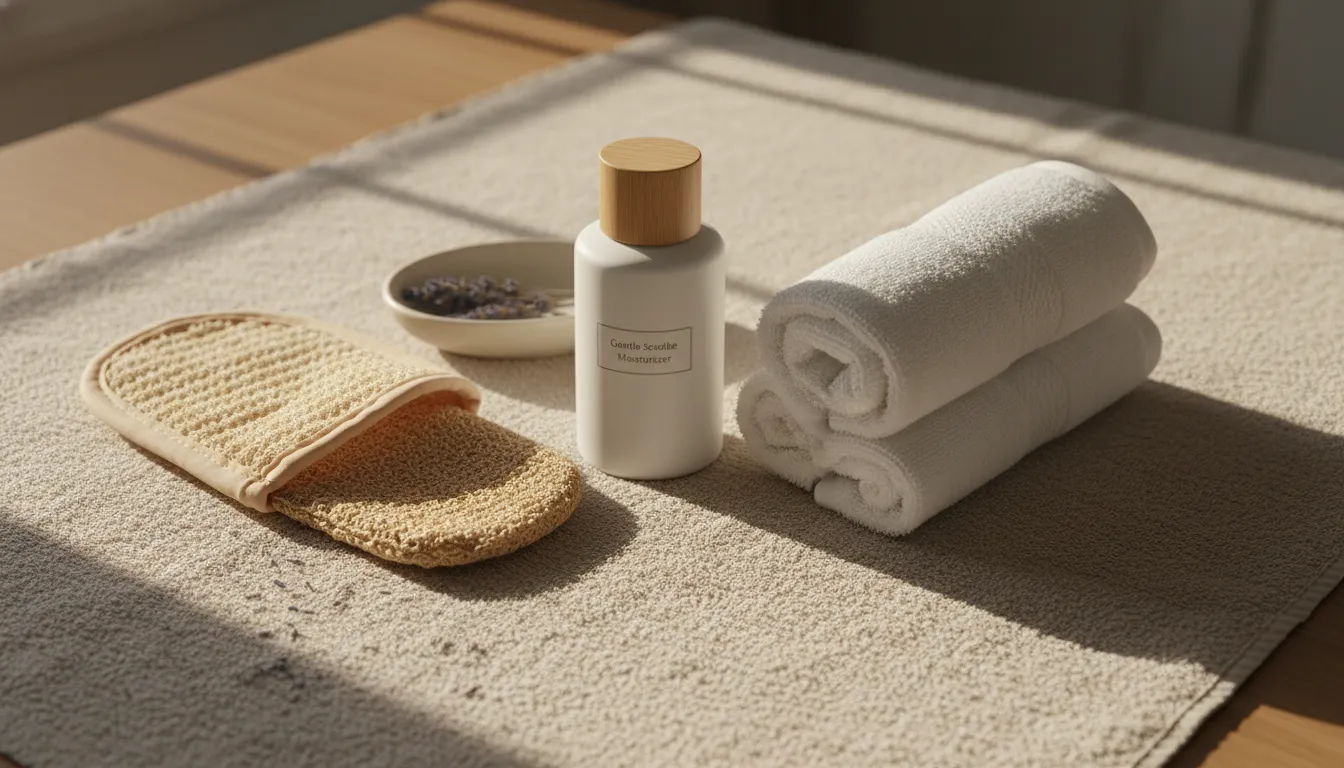
Gentle care after skin settles
Right after a wax, skip rubbing, picking, and harsh products on sensitive skin.
Give the area time to settle.
Once it no longer feels tender or hot, start light exfoliation with a soft cloth or mild product.
Use light pressure instead of trying to scrub a hair free.
Follow exfoliation with a simple, fragrance-free moisturizer on clean skin.
This routine keeps care comfortable while regrowth begins and avoids extra rubbing on a fresh waxed area.
Pay attention to how your skin responds from one appointment to the next.
If a product leaves the area sore, stop using it until your skin calms.
Note your products and timing so your wax specialist can review them at your next visit.
Careful use of chemical exfoliants
If you use an acid product, add only one new product at a time.
A lotion with glycolic acid may lessen the chance of hair growing into the skin.
This option is noted in guidance from Mayo Clinic.
Wait until the waxed area feels calm before applying an acid product.
Follow its label, and do not pair it with a scrub in one routine.
If skin burns, peels, or feels raw, pause product use and get care advice.
- Choose one gentle exfoliation method at a time.
- Use moisturizer after care when the product label allows it.
- Never pick, squeeze, or dig at a trapped hair.
- Keep new products away from skin that is still tender.
Gentle care should not be painful.
A rough scrub can leave the area more tender, while picking can break the skin.
Keep the routine simple, and give each product time before deciding whether it suits you.
Low-friction habits between visits
What touches the skin matters during regrowth.
Choose loose, breathable clothing when an area feels tender or easy to rub.
Change out of tight or damp workout clothing soon after exercise, especially when it rests against a waxed area.
Avoid shaving between wax appointments so your routine stays consistent.
Instead, book a consistent waxing schedule every 3-5 weeks, as recommended by Brazil’s Waxing Center.
This timing gives your specialist a clear view of your normal regrowth pattern.
At each visit, share where bumps occurred and which home products you used.
Brazil’s Waxing Center can help you adjust product choice and timing for that area.
For repeated or painful ingrown hairs, ask a health care provider for help.
How to treat an ingrown hair after waxing at home
To treat a mild ingrown hair after waxing at home, keep the area clean, avoid picking, and use a gentle compress for comfort.
Pause harsh products until the skin calms.
Brazil’s Waxing Center recommends treating home care as support, not a substitute for medical help when symptoms worsen.
The first day of care
When a bump follows waxing, the first step is to calm the skin, not force the hair out.
Leave the area alone as much as possible.
Do not squeeze it, scratch it, or use tweezers to search beneath the skin.
Those steps can cause more soreness and damage the surface.
Wash your hands before touching the spot.
Use a clean, soft cloth with comfortably warm water, and hold it over the area gently.
A warm or cool compress may soothe post-wax irritation, as noted in this post-waxing skin care guide.
If the compress causes stinging, remove it and let the skin rest.
Keep the rest of the routine simple while the skin feels tender.
Wear clean, loose clothing when possible to reduce rubbing around a bikini, underarm, or body wax area.
Skip perfumed products on sore skin.
Clean, low-friction care gives the surface time to settle without adding more irritation.
The first day is also a good time to pause workouts or habits that rub the area.
Avoid applying oils, scrubs, acids, or several spot products over a new bump.
For a wider recovery routine, save the aftercare checklist for when skin is no longer tender.
Gentle care after skin calms
Wait until fresh redness, burning, and soreness ease before you exfoliate.
Then choose a mild method and use light pressure.
The goal is to remove loose buildup at the surface, not open a bump.
Stop right away if care causes pain, burning, or increased redness.
- Begin with clean hands, a clean cloth, and dry skin after washing.
- Use only one mild exfoliating product after the skin feels calm.
- Avoid rough scrubs, picking tools, needles, and squeezing the bump.
- Pause acids or retinoids if they sting, burn, peel, or worsen redness.
Some people use products with glycolic acid or a prescribed retinoid for repeat ingrown hairs.
These products can irritate skin that was just waxed or is already sore.
Do not start a strong active on broken skin.
Ask a clinician before using prescription care or combining treatment products.
Do not dig for a trapped hair, even if you can see a dark point.
Breaking the skin can make recovery harder and may leave a darker mark.
If a hair releases without picking, keep the site clean.
Leave the tender area alone until it has healed.
When should you stop home care?
Home care is suited to a small bump that starts to improve.
Pause your routine if pain worsens, redness spreads, pus appears, or the spot feels hot.
These signs need a medical opinion rather than more scrubbing or spot products.
Do not wax over sore, draining, or broken skin.
Seek medical care when a bump does not clear or the problem keeps returning.
The Mayo Clinic guidance on ingrown hair gives the same advice for an ongoing or recurring condition.
A clinician can assess the area and guide safe care without guesswork.
If you have concern about infection or severe swelling, ask for care promptly.
A waxing specialist can share aftercare habits for future visits.
Medical evaluation comes first for a painful or broken bump.
This protects the skin while the cause and next steps are checked safely.
Waxing vs shaving for ingrown hair risk
Waxing and shaving can both lead to ingrown hairs, but they affect regrowth differently; Brazil’s Waxing Center helps clients choose a routine that supports smoother regrowth over time.
Brazil’s Waxing Center focuses on scheduled waxing and careful aftercare so clients can reduce friction, avoid between-visit shaving, and understand how their skin responds.
Why hair removal method matters
Ingrown hair after waxing is possible, and shaving can cause it too.
An ingrown hair forms when a strand grows back into the skin after hair removal.
Risk can be higher with tightly curled hair because a curved follicle can guide the hair inward, as Mayo Clinic explains.
The method still matters because the hair returns in a different way.
Waxing removes hair from the root, while shaving cuts it at the surface.
Neither option removes the need for gentle skin care as new hair grows.
Waxing and shaving side by side
With a steady waxing routine, Brazil’s Waxing Center notes that regrowth may become finer over time.
Shaving leaves a short, blunt tip and may require more frequent contact with a razor.
That added rubbing can matter for skin that is already prone to bumps.
| Point | Waxing | Shaving |
|---|---|---|
| Removal. | Root. | Surface. |
| Regrowth. | May feel finer. | May feel blunt. |
| Timing. | Scheduled visits. | Frequent upkeep. |
| Friction. | Watch clothing. | Watch razor passes. |
| Care. | Calm skin. | Avoid close passes. |
Choosing a steady waxing routine
Waxing is not a promise that bumps will never occur.
It can suit people who prefer a longer break between hair removal sessions.
Keeping appointments consistent may also help you avoid shaving between visits, when fast stubble regrowth can lead to more rubbing.
If you decide to keep waxing, treat aftercare as part of the plan. Use a calm, low-friction routine while the skin settles. Then follow a consistent care plan as hair starts to return.
A professional appointment also gives you a chance to discuss areas that develop bumps often.
Brazil’s Waxing Center offers women’s and men’s waxing services for clients who want a set routine.
Men can ask which service fits the area being waxed and their skin concerns.
When should you get professional help for bumps or ingrowns?
A small bump after a wax can be frustrating, but it does not always call for urgent care.
Brazil’s Waxing Center encourages clients to watch symptoms calmly and get medical guidance when bumps worsen or keep returning.
The right help depends on what you see and how your skin feels.
Start with calm, gentle care, then ask for support when the skin does not settle.
Routine aftercare questions
Contact a licensed waxing professional when you need advice on daily skin care after a service.
They can review your routine and help you avoid picking or using harsh products on tender skin.
This is a useful first step for a mild ingrown hair after waxing.
It is also reasonable to ask about your next appointment if bumps tend to follow each wax.
Bring up the timing, area treated, and products you used at home.
If you are choosing a salon near you, use the Brazil’s Waxing Center location page to find the most practical visit.
Signs that need medical care
A healthcare provider is the right contact when an ingrown does not clear or becomes a repeat problem.
This guidance follows Mayo Clinic advice on ingrown hair.
A provider can examine the area and guide treatment when skin care is not enough.
Seek medical care rather than trying to remove the hair yourself if you notice:
- Pain is increasing, redness is spreading, pus appears, fever develops, or the bump feels deep, hard, or recurring.
Do not squeeze, pierce, or dig into a painful bump.
These actions can irritate skin that is already inflamed.
If you are not sure whether a bump needs care, a healthcare provider can check it.
Calm action is better than waiting while symptoms become worse.
Support for your next wax
Once a medical concern is ruled out, your waxing professional can help plan a more comfortable next visit.
Share where bumps formed and when they appeared.
That history helps shape practical aftercare advice without guessing what the skin needs.
For routine guidance or a future appointment, contact Brazil’s Waxing Center.
Our team can answer waxing aftercare questions and help you plan your next service.
Contact a healthcare provider first for painful, spreading, draining, fever-related, or repeated bumps.
Frequently Asked Questions
How can I prevent ingrown hairs after waxing?
Keep newly waxed skin clean and reduce friction with loose, breathable clothing.
Avoid fragranced products on the area while skin is sensitive.
Once skin is calm, begin gentle exfoliation; an aftercare guide recommends starting after 48 hours.
Use a light touch instead of scrubbing irritated skin.
If bumps appear often, ask your wax specialist or a dermatologist which aftercare products fit your skin.
How can I treat an ingrown hair after waxing?
Do not squeeze, pick, or dig at an ingrown hair after waxing, because broken skin can worsen irritation.
Use a clean warm compress for comfort, and avoid exfoliating skin that is open or very sore.
The Mayo Clinic notes that treatment may include medicine for inflammation or infection when needed.
Seek care if the bump does not clear or keeps returning.
How can I prevent ingrown hairs after a Brazilian wax?
After a Brazilian wax, minimize rubbing while intimate-area skin settles.
Choose breathable underwear and avoid fragranced products on newly waxed skin.
Once irritation has eased, gentle exfoliation can help keep dead skin from trapping new growth.
Never pick at bumps on sensitive skin.
If a bump becomes painful, produces pus, or keeps returning, consult a medical professional before using strong treatments.
What causes ingrown hairs after waxing?
An ingrown hair forms when a removed hair curves and grows back into the skin.
This can happen after waxing as new growth emerges, especially in areas exposed to friction or trapped dead skin.
According to the Mayo Clinic, tightly curled hair increases the likelihood because a curved follicle can direct hair back into the skin.
Ingrown hairs may cause itchy, tender, or darkened bumps.
When should I see a medical professional for an ingrown hair after waxing?
Arrange medical care when an ingrown hair does not clear, returns regularly, becomes increasingly painful, or shows signs of infection, such as pus.
A dermatologist can identify whether the bump is an ingrown hair or another condition and recommend safe treatment.
The Mayo Clinic recommends seeking care when the problem does not clear or causes regular problems.
Avoid trying to remove a deep or inflamed hair yourself.
Ready to book waxing care with more confidence?
Leaving recurring post-wax concerns unaddressed can make your next visit harder to plan, while uncertainty may keep interrupting a comfortable care routine.
Starting now gives you time to talk through your skin concerns, prepare for upcoming appointments, and choose manageable aftercare steps with professional support.
Booking before your next wax can help you approach that visit with questions ready, expectations clear, and a plan that suits your schedule.
Ready to plan more confident waxing care? Book a waxing appointment today to contact Brazil’s Waxing Center and discuss the practical next step for your upcoming service and care routine.
Your appointment is a practical first step toward a routine you can understand, follow, and revisit as your needs change over time.