

Sensitive skin notices every extra pull, especially on the bikini line. Choosing the right wax can mean less tugging during your next delicate service appointment.
Book your sensitive-skin waxing appointment at Brazil’s Waxing Center today.
Hard wax vs soft wax for sensitive skin usually comes down to skin contact and the treatment area. Hard wax cools and lifts without a strip, gripping hair more than skin, which can reduce pulling on delicate areas. Soft wax uses a strip and grips hair and skin, making it efficient for broad areas such as legs or arms. For a bikini, Brazilian, underarm, or facial service, hard wax is often the gentler starting choice, according to Healthline. Sensitive skin is personal, so a professional wax specialist should consider your service area, recent irritation, and comfort before your appointment. At Brazil’s Waxing Center, that conversation helps you book a service suited to smooth results and comfortable care.
You may still want a clear answer before booking, especially if redness or discomfort has followed past hair removal. Next, Hard wax vs soft wax: the sensitive-skin answer explains what changes at the skin and which service areas benefit most. Here’s how.
Hard wax vs soft wax: the sensitive-skin answer
For sensitive skin, the hard wax vs soft wax choice starts with the area being treated. Hard wax often fits small, delicate zones, such as the bikini area. Soft wax can be an efficient choice across larger areas with less reactivity, such as legs.
Neither wax makes skin immune to a reaction. A study of hair removal in the underarm area found increased redness and dryness after waxing and other removal methods. That makes careful technique and aftercare important for either option. Read the published skin response study for the research context.
How each wax works
Hard wax is placed on the skin, allowed to set, then removed without a cloth strip. It is used to grip hair while limiting pull on the skin. For a reactive or intimate area, that difference may make the service feel more manageable.
Soft wax stays tacky and is removed with a strip. It can spread in a thin layer over a wider area, which helps when treating legs or arms. On tender skin or a small detailed area, the added skin contact may not be the first choice.
| Point | Hard wax | Soft wax |
|---|---|---|
| Removal | Stripless | Strip |
| Best fit | Bikini areas | Legs |

Choosing wax for intimate areas
When skin is sensitive, location matters as much as the wax name. The pubic and bikini areas can react to friction, heat, and repeat passes. A professional can assess hair growth and skin condition before starting a Brazilian wax.
A bikini service covers a more limited area, but the same practical questions apply. Share past redness, skin lifting, active irritation, or a recent reaction before treatment begins. For service scope and booking details, review the bikini wax page.
A practical sensitive-skin answer
Hard wax is often the clearer starting point for intimate or reactive spots. Soft wax still has a useful role for larger, less sensitive areas where swift coverage helps. The better choice depends on the treatment zone and how your skin has reacted before.
Tell your wax specialist if skin is sore, sunburned, broken, or already irritated. They can decide whether to change the wax plan or postpone treatment. The goal is smooth removal with the least avoidable stress on skin.
How hard wax works and why it can feel gentler
Hard wax can feel gentler because it sets around hair and is removed without a strip. At Brazil’s Waxing Center, this makes it a practical choice to discuss for smaller, more sensitive areas.
The stripless method
Hard wax starts as warmed wax spread in small, controlled sections. As the layer cools, it firms into a flexible tab that a wax specialist lifts by hand. It does not need a cloth or paper strip for removal.
That stripless step is central to the hard wax vs soft wax choice. In a comparison of soft wax and hard wax, hard wax is described as thicker and able to set on the skin. It is then lifted without a separate strip. Soft wax is removed with a strip, which changes how the wax and skin are pulled.
Less pull on the skin
For sensitive zones, the point is not a promise of pain-free waxing. Hard wax is designed to grip hair more than skin as it sets. Since a specialist removes the firm wax itself, there can be less tugging on the skin during removal than with soft wax.
Gentler does not mean reaction-free. A study of underarm hair removal found that waxing, shaving, and plucking were each followed by more redness and dryness. Skin and hair vary, so each client’s experience can vary as well.
For the bikini line, underarms, or face, the choice should match the area and the client’s comfort needs. That is why a salon conversation matters more than broad claims about one wax being painless. Before a visit, clients can learn about the quality of our hair wax and prepare questions for their specialist.
Temperature and technique
Temperature control is part of proper hard wax use. The wax must be warm enough to spread over hair, yet not feel hot on skin. A wax specialist checks the texture and heat before placing wax on a treatment area. Small sections also support a steady, planned removal.
Technique shapes the sensation as well. The specialist allows the hard wax to firm, then creates a liftable edge. The wax is removed with a controlled motion while the skin is supported. This process helps avoid needless pulling during a sensitive-area service.
Brazil’s Waxing Center is a professional waxing salon chain on brazilswaxingcenter.com. During an appointment, a specialist can select the approach for the treatment area. They can also explain what to expect as the wax is removed. That keeps the focus on careful technique, not promises about how any skin will respond.
Hard wax vs soft wax: where soft wax still makes sense
Soft wax still makes sense when the service area is broad and efficient coverage matters. Brazil’s Waxing Center may discuss this option for larger areas where skin history and hair texture support it.
The strip-removal method
In a hard wax vs soft wax comparison, soft wax is the strip-based option. A wax specialist spreads a thin layer across the skin and presses a strip over it. The strip is then removed in one quick motion. The wax takes hold of hair while also making closer contact with the skin.
That contact is the reason soft wax is discussed differently from hard wax. It does not make soft wax a poor method. The area, hair type, skin history, and technique all matter when a professional chooses a wax.
Coverage for larger areas
Soft wax can make practical sense on broad areas, including legs, arms, and the back. A thin layer lets a specialist cover a longer section before removing it with a strip. That approach can keep a large-area appointment moving at a steady pace.
It may also suit fine hair on larger areas, where broad contact can gather less coarse growth. If you are choosing a leg, arm, chest, or back service, review the available body waxing options before booking.
That can be useful when much of the service area has light or spread-out hair. For a broad body service, speed and even coverage may be as important as choosing between wax types.
Skin comfort and the right fit
Because soft wax touches skin as well as hair, comfort depends on careful placement and clean removal. Some clients may prefer it for large areas. Others may want to discuss hard wax for smaller spots or areas that feel more sensitive.
This choice is not only about the wax name. Research on underarm hair removal found that waxing, shaving, and plucking each caused an early rise in redness and dryness. The study supports a simple point: skin care matters after any removal method. See the published hair-removal study for its reported skin findings.
Before a service begins, tell your specialist about past redness, sensitivity, or products used on the area. A specialist can weigh the area, the hair, and your past skin response. Brazil’s Waxing Center also discusses the quality of our hair wax for readers seeking more detail.
Which wax should you choose for each body area?
In a hard wax vs soft wax choice, the body area is a useful starting point. Hair texture, skin sensitivity, and your esthetician’s assessment still matter. One client may need a different plan for two nearby areas, even during the same visit.
The reason for that care is simple: skin can respond to hair removal. In a study of underarm hair removal, waxing was linked with increased redness and dryness after treatment. A peer-reviewed study on hair removal and skin effects supports a careful approach for every area.
Sensitive areas: face, underarms, and bikini
For the upper lip, chin, brows, underarms, and bikini or Brazilian area, hard wax is often the practical choice. It grips hair as it firms and comes off without a cloth strip. That gives the esthetician close control on small areas and around curved edges.
A Brazilian service may involve coarse hair and fine edge work on delicate skin. Underarms also have curves, folds, and hair that can grow in more than one direction. For both areas, an esthetician can assess heat, hair texture, and skin response as the service moves forward.
The face also calls for care because the treated space is small and easy to see. Tell your esthetician about irritation, sensitivity, or recent skin treatments before facial waxing. If this is your first visit, our guide to a first waxing appointment helps you know what to ask.
A hard wax preference does not mean every sensitive-area service follows one fixed routine. Fine facial hair can differ from coarse bikini hair. Your esthetician should choose the wax and pace that fit the exact area being treated.
Larger areas: legs, arms, chest, and back
Soft wax is commonly considered for legs because it spreads in a thin layer across a broad surface. It may also suit arms, chest, or back when the treatment area is wide. These larger areas benefit from an efficient plan that still respects skin sensitivity.
Hard wax may still be a sound choice for selected patches on a larger body area. A leg can have a tender knee zone, while a chest or back can include spots that react more easily. The decision is not only about size; it is also about hair texture and skin history.
Some clients book more than one body area at a time. In that case, the esthetician may use a different wax choice for each zone. For example, bikini skin may need a controlled hard wax approach, while legs may call for broader coverage.
Brazil’s Waxing Center focuses on body waxing and uses specialized techniques and formulas. You can read more about the quality of our hair wax before your visit. At your appointment, mention past reactions and areas that tend to feel sensitive.
How to prep sensitive skin before and after waxing
Prep and aftercare reduce avoidable irritation before any hard wax vs soft wax appointment. Brazil’s Waxing Center recommends simple, calm skin care and clear communication before your service.
Plan ahead for calm skin
Sensitive skin responds best when the appointment is not rushed. Before booking, note current irritation, broken skin, or products that make your skin react. First-time clients can review what to expect at an appointment and prepare questions before waxing begins.
The hard wax vs soft wax choice is only part of comfort. Tell your wax specialist which area needs treatment and how your skin reacts. Hair removal can cause short-term redness and dryness, according to a study of skin effects after hair removal. Gentle care helps limit added stress on fresh skin.
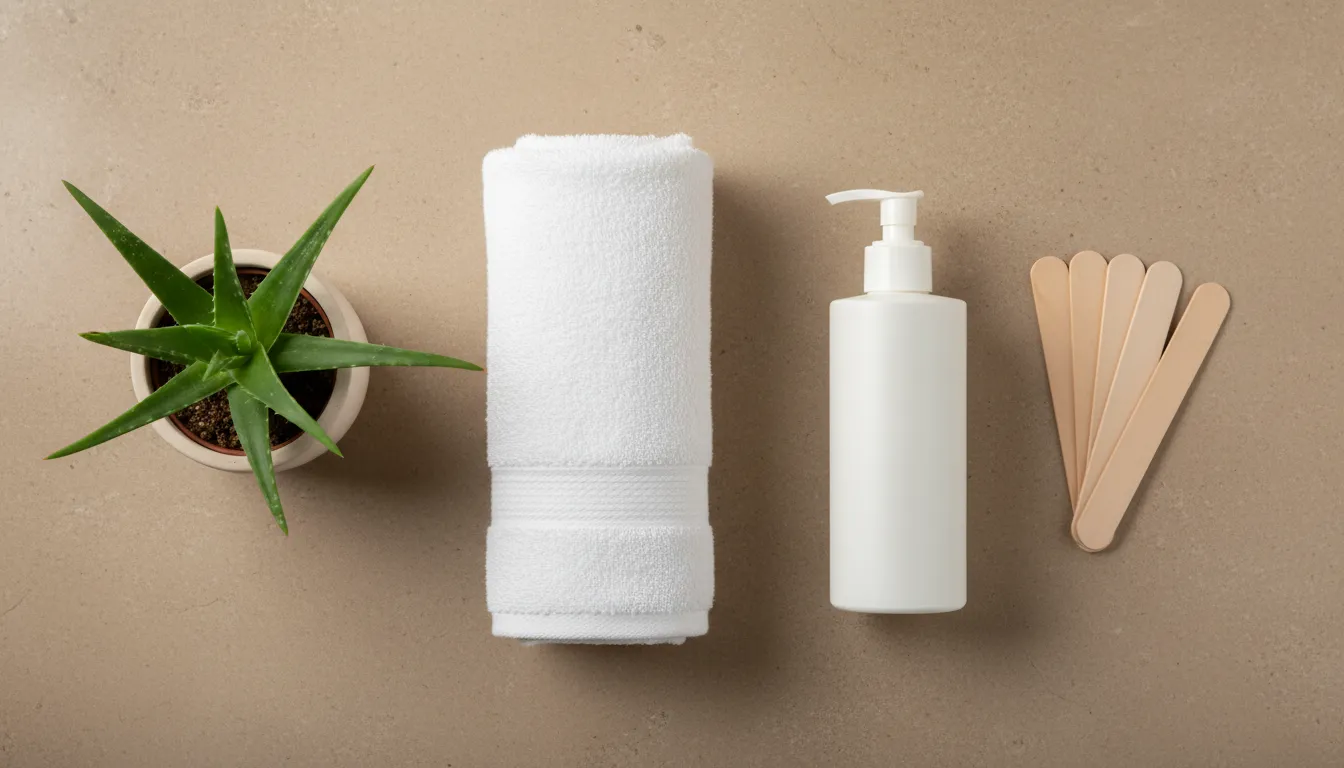
A sensitive-skin waxing routine
Keep your routine simple before and after a visit. If a product stings or caused a past reaction, leave it out and tell your wax specialist.
-
Time your appointment well. Book when skin is clear of active irritation. Plan workouts, swimming, and heat-heavy activities for another day, so the treated area can settle.
-
Exfoliate with care beforehand. If your skin tolerates exfoliation, use a gentle method before the appointment. Do not exfoliate newly waxed skin. Skip scrubs or acids when the area feels sore, dry, or inflamed.
-
Arrive in comfortable clothing. Wear loose clothing that will not rub the treated area. Avoid scented lotions or new products before service, since sensitive skin may react.
-
Cool down after waxing. Avoid hot baths, saunas, hard workouts, and sweaty clothing right after service. Heat, friction, and sweat can feel rough on tender skin.
-
Moisturize gently. When your wax specialist says it is suitable, use a mild, fragrance-free moisturizer your skin knows. Do not test a strong new formula on newly waxed skin.
-
Set a steady schedule. Regular appointments help you plan growth, prep, and aftercare. Follow studio timing that fits your service and skin response.
Care between appointments
Watch the treated area during the next day or two. Mild sensitivity can occur. Seek medical advice for signs of infection, severe swelling, or a reaction that concerns you. Avoid picking at bumps or using harsh products to force quick results.
Between visits, keep clothing breathable and choose skin care that feels calm on the area. Use these waxing tips for maximum results to guide your routine. Steady care gives sensitive skin fewer surprises before the next wax.
What should you ask at your first waxing appointment?
A first visit is easier when you arrive with questions. Before your first waxing appointment, note skin concerns, products you use, and the area you want waxed. This gives your specialist a clear starting point for discussing hard wax vs soft wax.
Questions about your skin and routine
Start by asking, “Is there anything about my skin that you need to know before we begin?” Mention sensitivity, past reactions, current irritation, or any sore areas. If you used a retinoid or exfoliated recently, say so before the service starts. Your specialist can then explain whether your skin is ready for waxing that day.
It is also fair to ask how the skin may look or feel afterward. A published study found that hair removal methods, including waxing, increased underarm redness and dryness at first. You can read the hair removal and skin response study for more detail. This makes aftercare a practical topic, not an afterthought.
Choosing a wax for the area
Ask, “Which wax do you prefer for this area, and why?” The answer should focus on your treatment area and your skin. A bikini wax, underarm wax, facial wax, and leg wax do not present the same needs. A specialist should be able to explain the choice in plain language before starting.
For a first appointment, useful follow-up questions include:
- Will you use hard wax, soft wax, or more than one type during my service?
- How does your choice account for skin sensitivity in this area?
- What should I tell you if the wax feels too warm or my skin feels uncomfortable?
- Should I change any part of my routine before my next visit?
These questions do not require you to choose the wax on your own. They help you understand the specialist’s plan and speak up with ease. If your goal is to compare hard wax vs soft wax, ask how each option fits the area being treated.
Aftercare and planning your next visit
Before you leave, ask for clear aftercare steps. Find out what to keep off the waxed skin and when to return to your usual routine. Ask what response should prompt a call. You may also ask when to schedule again, especially if you want a steady grooming routine.
A good consultation should feel direct and unhurried. Bring your questions, listen to the care plan, and ask for more detail when something is not clear. When you are ready to start, you can book an appointment and share your needs with your specialist at the visit.
Why professional technique matters as much as wax type
Professional technique matters because wax choice alone does not protect sensitive skin. Brazil’s Waxing Center focuses on clean, controlled service so the method, area, and aftercare work together.
Technique and sensitive skin
The hard wax vs soft wax choice is only one part of a comfortable service. Wax must still be applied with care, removed in the right direction, and matched to the area being treated. A skilled wax specialist also supports the skin during removal, rather than treating every patch of hair the same way.
This matters for skin that tends to look red or feel dry after hair removal. One published study reported that hair removal methods, including waxing, increased underarm redness and dryness at first. The finding supports careful service and clear after-care. The skin effects study explains the measured skin response.
For a small or sensitive area, the specialist can watch how the skin responds during the visit. They can work in controlled sections and avoid rushing over spots that need more care. The product matters, but the hands using it help shape how the service feels from start to finish.
A clean, controlled service
Professional waxing is also about the setting. A clean room, prepared supplies, and an organized work flow keep attention on the service itself. The specialist can check hair growth direction before removal, keep movements steady, and reduce repeated handling of the same area.
Speed should not mean haste. In an experienced appointment, speed comes from a clear process: prepare the skin and apply wax in an even section. Then the specialist supports the skin and removes the wax with purpose. Readers can review the center’s waxing services before choosing an appointment that fits their needs.
The direction of removal also affects the experience. Hair on a bikini line, underarm, face, or leg may not grow in one simple pattern. A specialist can map that pattern while working. They do not need to use one motion for every area or assume one wax solves each concern.
Guidance before and after waxing
A professional visit begins before wax touches skin. Clients can share skin sensitivity, past reactions, and products used at home, so the specialist has useful context. After the service, simple guidance can help clients know what to avoid while the skin settles and when to ask a question.
This is where a wax-type debate can miss the point. Hard wax may suit one area, while soft wax may suit another. Careful technique connects that choice to the person and service. The center’s approach to waxing care gives clients context on its standards and specialized focus.
For sensitive skin, the practical question is not only which wax is used. It is also who applies it, how the skin is supported, how clean the service feels, and what guidance follows. Those details give clients a fuller way to compare a professional appointment than wax type alone.
Book your waxing appointment at Brazil’s Waxing Center before choosing your next service.
Frequently Asked Questions
These direct answers summarize the most common hard wax vs soft wax questions clients ask before booking with Brazil’s Waxing Center.
Is hard wax or soft wax better for sensitive skin?
Hard wax is often preferred for sensitive skin and smaller areas, including the bikini line, underarms, and face. It sets around the hair and is removed without strips, so it generally pulls less on the skin. Healthline describes hard wax as gentler for sensitive areas. Your wax specialist can consider your skin history and treatment area before starting.
Is hard wax less painful than soft wax?
Hard wax may feel more comfortable for sensitive areas because it adheres mainly to hair, rather than skin. Soft wax attaches to hair and skin, then is removed with a strip. Comfort still varies with the body area, hair texture, technique, and personal sensitivity. According to Healthline, hard wax is usually less painful to remove than soft wax.
Can hard wax be used on large areas like legs?
Hard wax can be used on legs, but it may take longer because it is applied and removed in smaller sections. Soft wax commonly suits larger areas, such as legs, because it spreads thinly and removes hair with strips. Healthline identifies soft wax as a practical option for larger areas. A specialist can adjust the method if your legs are sensitive.
How do I choose between hard and soft wax for my appointment?
Start with the service area and your skin sensitivity. Hard wax is commonly chosen for the face, underarms, bikini line, and Brazilian services because these areas can be delicate. Soft wax can be suitable for broader areas, including legs. Tell your wax specialist about recent irritation, skin treatments, or past waxing reactions before your service. That information helps guide a safer, more comfortable method choice.
Ready to Choose a Gentler Waxing Appointment?
Waiting when your skin needs a careful approach can make your next waxing choice feel harder than it should. Starting now gives you time to discuss sensitivity, comfort priorities, and the service that fits your needs before your visit. An appointment helps you move from comparing wax types to choosing a plan that feels clear and practical.
Ready to choose with confidence? If you are new to waxing or changing methods, take the next step with your comfort priorities in mind. Book your waxing appointment to select a time and discuss the right waxing service for sensitive skin. Schedule now so your next wax begins with clear preferences, less uncertainty, and a plan suited to your needs.